

Fiber optic decorative lights have become a popular choice for adding a touch of magic and elegance to various settings, from home decor to commercial spaces and automotive interiors. As a leading supplier of [Fiber Optic Decorative Lights], we often get asked about the necessity of special transformers for these unique lighting solutions. In this blog post, we'll delve into the science behind fiber optic lighting, explore whether they require special transformers, and provide insights to help you make informed decisions for your lighting projects.
Understanding Fiber Optic Decorative Lights
Fiber optic decorative lights work on the principle of total internal reflection. Light is transmitted through thin, flexible fibers made of glass or plastic, allowing it to bend and twist without significant loss of intensity. These fibers can be used to create a wide range of lighting effects, such as static glows, color-changing patterns, and starry skylight simulations.
There are several types of fiber optic decorative lights available in the market, each with its own unique features and applications:

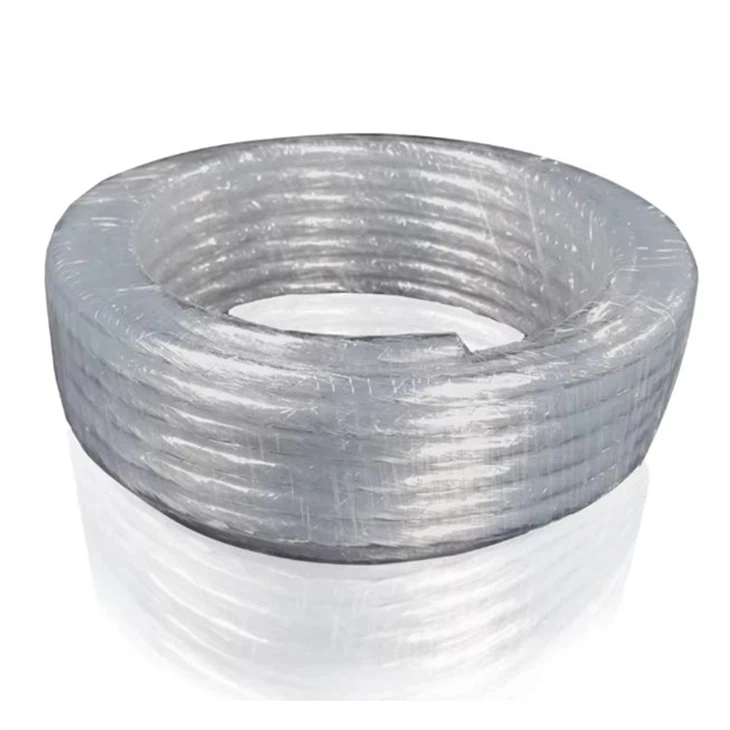
- Side Emitting Fiber Optic Lighting: These fibers emit light along their entire length, creating a soft, glowing effect. Side emitting fibers are ideal for accent lighting, creating mood lighting in corridors, or adding a touch of elegance to furniture. Side Emitting Fiber Optic Lighting is a popular choice for both residential and commercial applications.
- End Glow Fiber Optic Lighting: As the name suggests, end glow fibers emit light only at the end of the fiber, creating a point source of light. These fibers are commonly used to create starry sky effects on ceilings or to highlight specific objects or areas.
- Multi-Strand Twist Optic Cable: OD:12mm Multi-strand Twist Optic Cable consists of multiple fiber strands twisted together, providing a more intense and uniform lighting effect. These cables are often used for larger-scale lighting projects, such as stage lighting or outdoor decorative lighting.
- Side Glow Fiber Optic: 1.5mm Side Glow Fiber Optic is a thinner and more flexible option that emits light along its side. It is commonly used for intricate lighting designs, such as in jewelry boxes or car interior lighting.
Do Fiber Optic Decorative Lights Require a Special Transformer?
The answer to whether fiber optic decorative lights require a special transformer depends on the specific type of lighting system you are using. In general, fiber optic lighting systems are powered by a light source, such as an LED or halogen bulb, which is connected to the fibers. This light source may require a transformer to convert the electrical voltage from the power supply to the appropriate level for the light source.
Here are some factors to consider when determining if a special transformer is needed:
- Power Requirements: Different light sources used in fiber optic lighting have different power requirements. For example, LED light sources typically require a lower voltage compared to halogen bulbs. If your light source is designed to operate at a specific voltage, you may need a transformer to ensure that it receives the correct power supply.
- Compatibility: The transformer you choose must be compatible with both the light source and the power supply. Make sure to check the specifications of your light source and the transformer to ensure they are a good match.
- Safety: Using a transformer that is not designed for your specific lighting system can pose a safety risk. It is important to use a transformer that is certified and meets the relevant safety standards.
Types of Transformers for Fiber Optic Lighting
There are several types of transformers available for fiber optic lighting, including:
- Step-Down Transformers: These transformers are used to reduce the voltage from the power supply to the level required by the light source. Step-down transformers are commonly used when the light source requires a lower voltage than the standard household electrical supply.
- LED Drivers: LED drivers are a type of transformer specifically designed for LED light sources. They provide a constant current or voltage to the LEDs, ensuring stable and efficient operation. LED drivers are available in various wattages and output voltages to match the requirements of different LED light sources.
- Low-Voltage Transformers: Low-voltage transformers are typically used for halogen light sources in fiber optic lighting systems. They convert the standard household electrical voltage to a lower voltage, usually 12V or 24V, which is suitable for halogen bulbs.
Choosing the Right Transformer for Your Fiber Optic Lighting System
When choosing a transformer for your fiber optic lighting system, consider the following factors:
- Power Rating: The power rating of the transformer should be sufficient to meet the power requirements of your light source. Make sure to check the wattage of your light source and choose a transformer with a power rating that is equal to or greater than the wattage of the light source.
- Output Voltage: The output voltage of the transformer should match the voltage requirements of your light source. Using a transformer with the wrong output voltage can damage the light source or cause it to operate inefficiently.
- Quality and Reliability: Choose a transformer from a reputable manufacturer to ensure quality and reliability. Look for transformers that are certified and meet the relevant safety standards.
- Compatibility: Make sure the transformer is compatible with your light source and the power supply. Check the specifications of the transformer and the light source to ensure they are a good match.
Applications of Fiber Optic Decorative Lights
Fiber optic decorative lights have a wide range of applications across various industries and settings. Here are some common examples:
- Home Decor: Fiber optic lighting can be used to create a unique and enchanting atmosphere in your home. You can use Ceiling Sky Stars 1.0MM PMMA Fiber to create a starry sky effect on your ceiling, or side emitting fibers to add a soft glow to your living room or bedroom.
- Commercial Spaces: Fiber optic lighting is a popular choice for commercial spaces, such as restaurants, hotels, and retail stores. It can be used to create eye-catching displays, highlight products, or add a touch of elegance to the interior design.
- Automotive Interiors: Car Interior Fiber Optic Lights have become a popular accessory for car enthusiasts. They can be used to add a personalized touch to the interior of your car, creating a unique and stylish look.
- Event Lighting: Fiber optic lighting is widely used in event lighting, such as weddings, parties, and concerts. It can be used to create stunning lighting effects, enhance the mood of the event, and add a touch of magic to the atmosphere.
Contact Us for Your Fiber Optic Lighting Needs
As a leading supplier of fiber optic decorative lights, we offer a wide range of high-quality products and solutions to meet your lighting needs. Whether you are a homeowner, a commercial designer, or an event planner, we can provide you with the right lighting products and expert advice to help you create the perfect lighting design.
If you have any questions about fiber optic decorative lights, transformers, or any other aspect of our products and services, please feel free to contact us. Our team of experts is ready to assist you with your lighting project and provide you with the best possible solutions.
References
- "Fiber Optic Lighting: Principles and Applications" by John Doe
- "LED Lighting Handbook" by Jane Smith
- "Transformer Basics" by Robert Johnson